
Staff
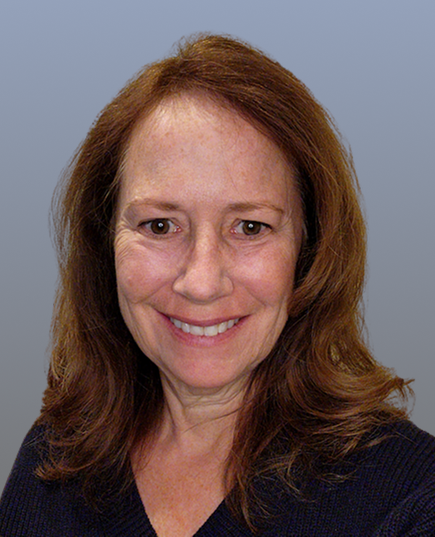
Susan Minushkin
Dr. Susan Minushkin is the program director for the Better Urbanism, Infrastructure, and Land-use Decisions (BUILD) Research Network program and has led research, policy, and international development programs for more than twenty years. Previously, she was Vice President for Monitoring, Evaluation, Research, and Learning at Making Cents International, Senior Program Director and Chief of Party at Panagora Group, and Program Director at Management Systems International. She has led projects in Asia, Latin America and Africa on monitoring, evaluation, research and learning, democracy and governance, and inclusive development. Before working in international development, Susan was a Professor of International Studies at the Centro de Investigación y Docencia Económicas in Mexico City where she led the Mexico and the World public opinion survey. She received her PhD in political science from Columbia University.

Lucian de Nevers
Lucian de Nevers is the program assistant for the Better Urbanism, Infrastructure, and Land-use Decisions (BUILD) Research Network program. Previously, he worked as a research assistant with the Bill Lane Center for the American West at Stanford University and the Maxwell School of Citizenship and Public Affairs at Syracuse University. Lucian received his B.A. in political science from Stanford University.
Advisory Board
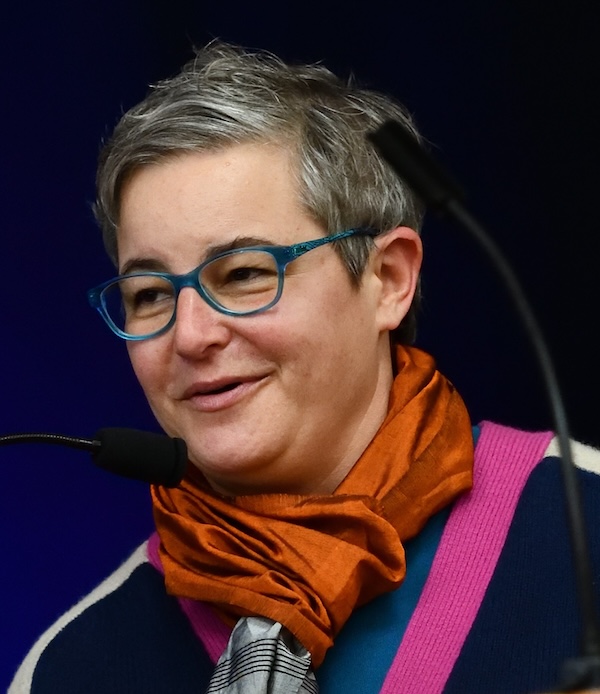
Leah Brooks (Faculty Lead)
Leah Brooks is Professor in the Trachtenberg School of Public Policy and Public Administration at the George Washington University, Director of the Center for Washington Area Studies and co-faculty lead for the BUILD Research Network at the Social Science Research Council. After receiving her PhD from UCLA in 2005, she taught at the University of Toronto and McGill University, and worked at the Federal Reserve Board of Governors. Her early work examined Business Improvement Districts and land assembly to understand the resolution of collective action problems, analyzed the Community Development Block Grant program to understand the political economy of grant giving at the municipal and sub-municipal levels, and investigated the long-run impacts of streetcar investments in Los Angeles on urban form. Recently she has analyzed whether and why US infrastructure costs have increased, and asked why the redevelopment following Washington, DC’s 1968 civil disturbance took over forty years. She is currently studying the perils and promise of condominiums, the impact of ecommerce on physical retail establishments, and evaluating whether the last hundred years of US federal lawmaking show evidence of increased interest in citizen participation.
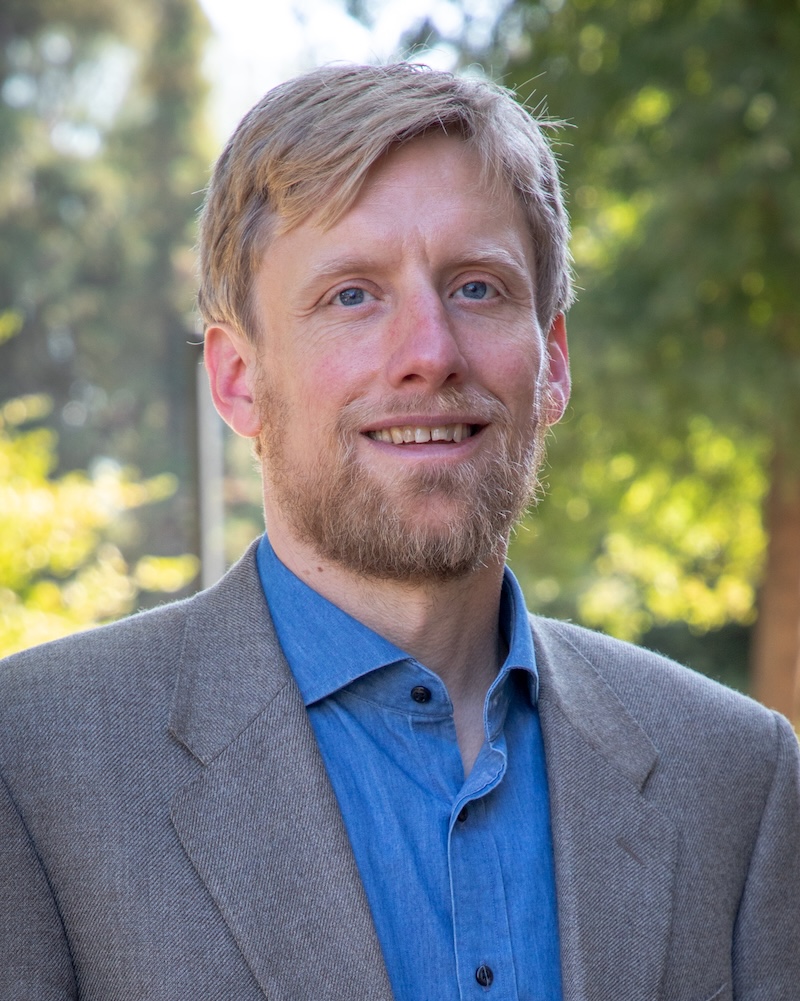
Chris Elmendorf (Faculty Lead)
Chris Elmendorf is Martin Luther King, Jr. Professor of Law at UC Davis, a Nonresident Senior Fellow at the Institute for Progress, and a member of the American Law Institute. He is a leading authority on California land-use and housing law and has done widely noted work on public opinion about housing markets and policy. Published in numerous top journals across the fields of law, political science, and economics, his research has shaped legislation and judicial opinions and been covered by major media outlets including The New York Times, The Atlantic, The Washington Post, Financial Times, Forbes, Bloomberg News, and CalMatters. A graduate of Oberlin College and Yale Law School, Elmendorf clerked for Judge Guido Calabresi on the U.S. Court of Appeal for the Second Circuit before joining the UC Davis faculty.
Nicholas Bagley
Nicholas Bagley is a law professor at the University of Michigan. In 2020 and 2022, he served as special counsel and then chief legal counsel to Michigan Governor Gretchen Whitmer. Before joining the law school, he served as an attorney in the Civil Division at the United States Department of Justice. He clerked for Justice John Paul Stevens of the U.S. Supreme Court and Judge David Tatel of the U.S. Court of Appeals for the D.C. Circuit.
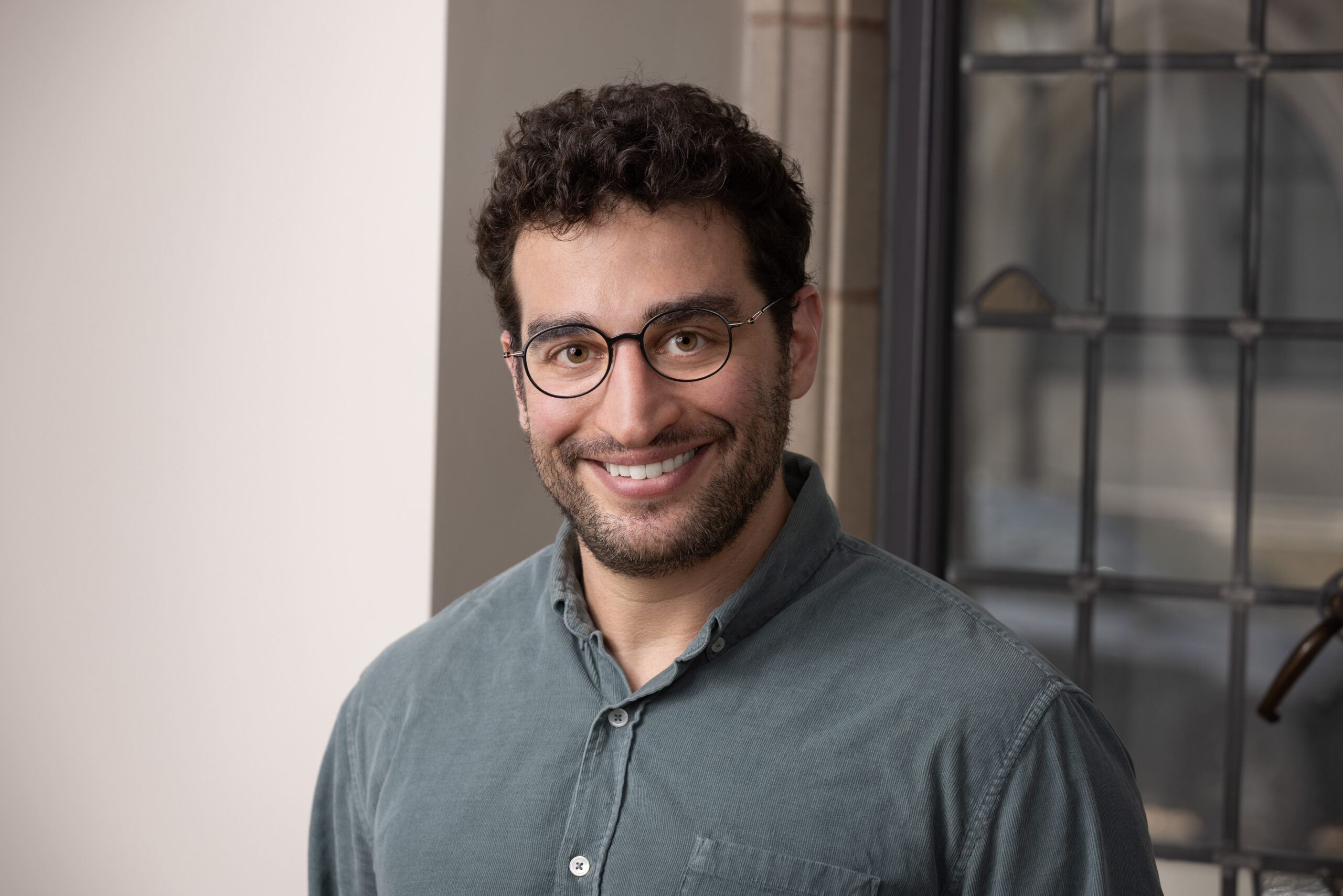
Joshua C. Macey
Joshua Macey is a professor of law at Yale Law School, where he teaches and writes about bankruptcy, environmental law, energy law, and the regulation of financial institutions. His current research focuses on the fragility of the nation’s electric grid and offers strategies to improve grid reliability and accelerate the transition to new energy sources. Prior to his appointment at Yale Law School, Macey served as an Assistant Professor of Law at the University of Chicago Law School. He served as faculty advisor to the University of Chicago Law School’s Business Law Journal and Faculty Appointments Committees. From 2019 to 2020, Macey was a Visiting Assistant Professor of Law at Cornell Law School. He previously worked at Morgan Stanley and clerked for Judge J. Harvie Wilkinson III of the U.S. Court of Appeals for the Fourth Circuit. Macey also co-authored the sixth edition of the leading energy law casebook, Energy, Economics, and the Environment. Macey holds a B.A. from Yale College and an M.Sc. from the London School of Economics and Political Science. He earned a J.D. from Yale Law School, where he served as an Editor of the Yale Law Journal.
Eric Goldwyn
Eric Goldwyn is a program director at the Marron Institute of Urban Management and starting September 1st Dr. Goldwyn will be a Clinical Associate Professor in the Transportation and Land-Use program at the NYU Marron Institute. He received his Ph.D. in Urban Planning from Columbia University. He teaches courses on urban planning and urban studies and his writing on cities and transportation technology has been published in academic journals and popular press outlets. The Transportation and Land-Use program is focused on how to build more transit infrastructure for every dollar spent. To that end, it has published multiple data sets and reports on transit costs, and transit priority, specifically bus travel speeds. They have also conducted multiple in-depth case studies that investigate why domestic rail projects take longer to construct and cost more to build than those in lower cost countries. The Transportation and Land-Use Program at NYU Marron have also translated their research findings into applied projects to speed up travel speeds on the Northeast Corridor and develop a long-term plan for subway expansion in New York City.
Join the Network
BUILD is open to researchers working on housing, energy, and transportation policy.